"My daughter and I REALLY appreciated the time and chat with our guide, as well as the stroll around the village. There were no “bells and whistles,” which was perfect. The geothermal grounds are amazing, and we loved the experience."
People Live Here · Daytime Walk · From $29
Whakarewarewa Living Village
Whakarewarewa is the one that is different in kind rather than degree. It is a geothermal village where families have lived for generations and still cook in the hot pools and bathe in them. The visit is a guided walk through a working settlement in daylight, not an evening show.
Top rated
From
$29
per person
Free cancellation
- 4.7 / 5 382+ Reviews
- 4 villages Compared honestly
- $29–$248 Entry to full evening
- Free Cancellation
The Experience
What the Village Walk Includes
From the operator's own listing.
Highlights
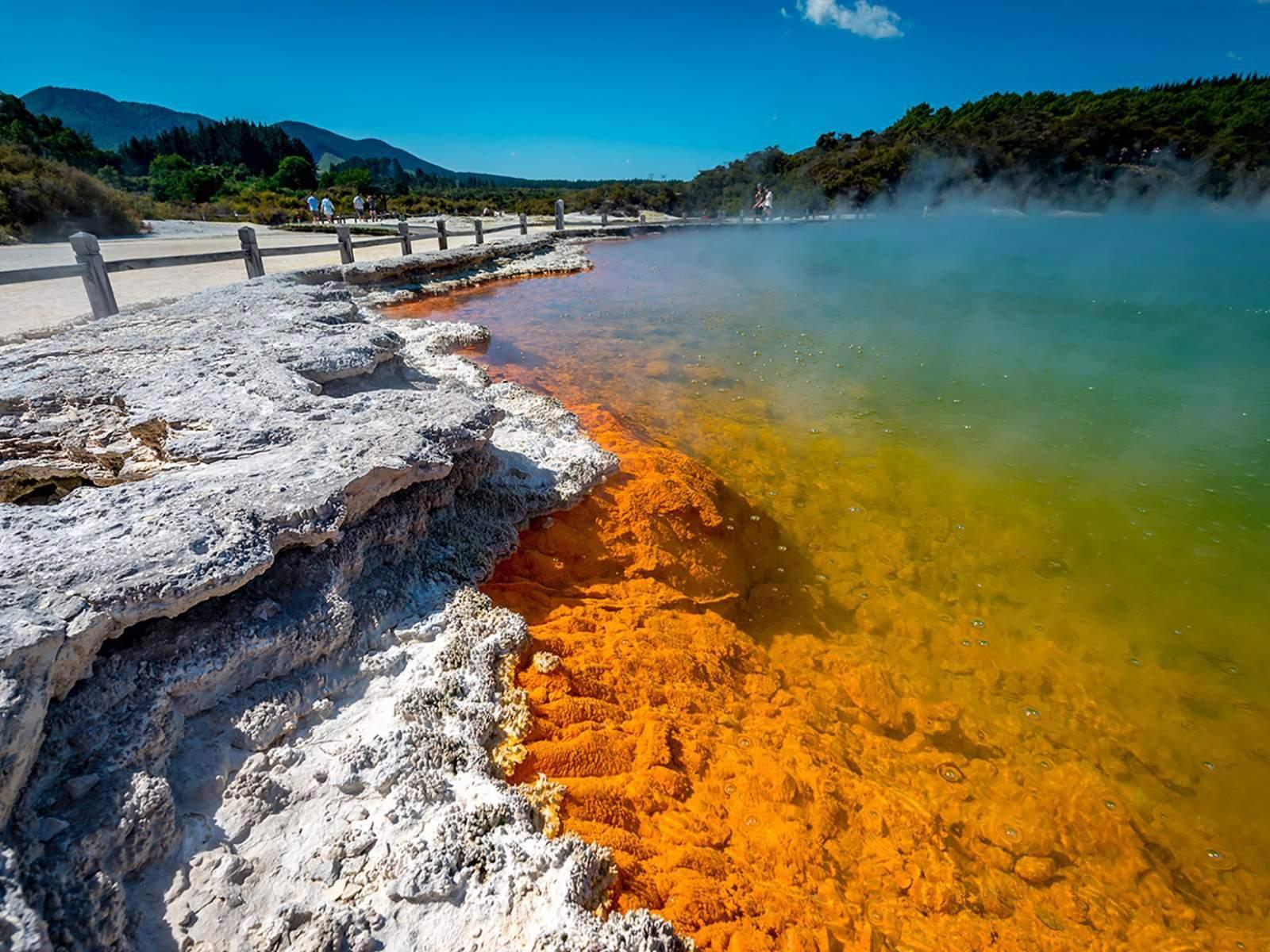
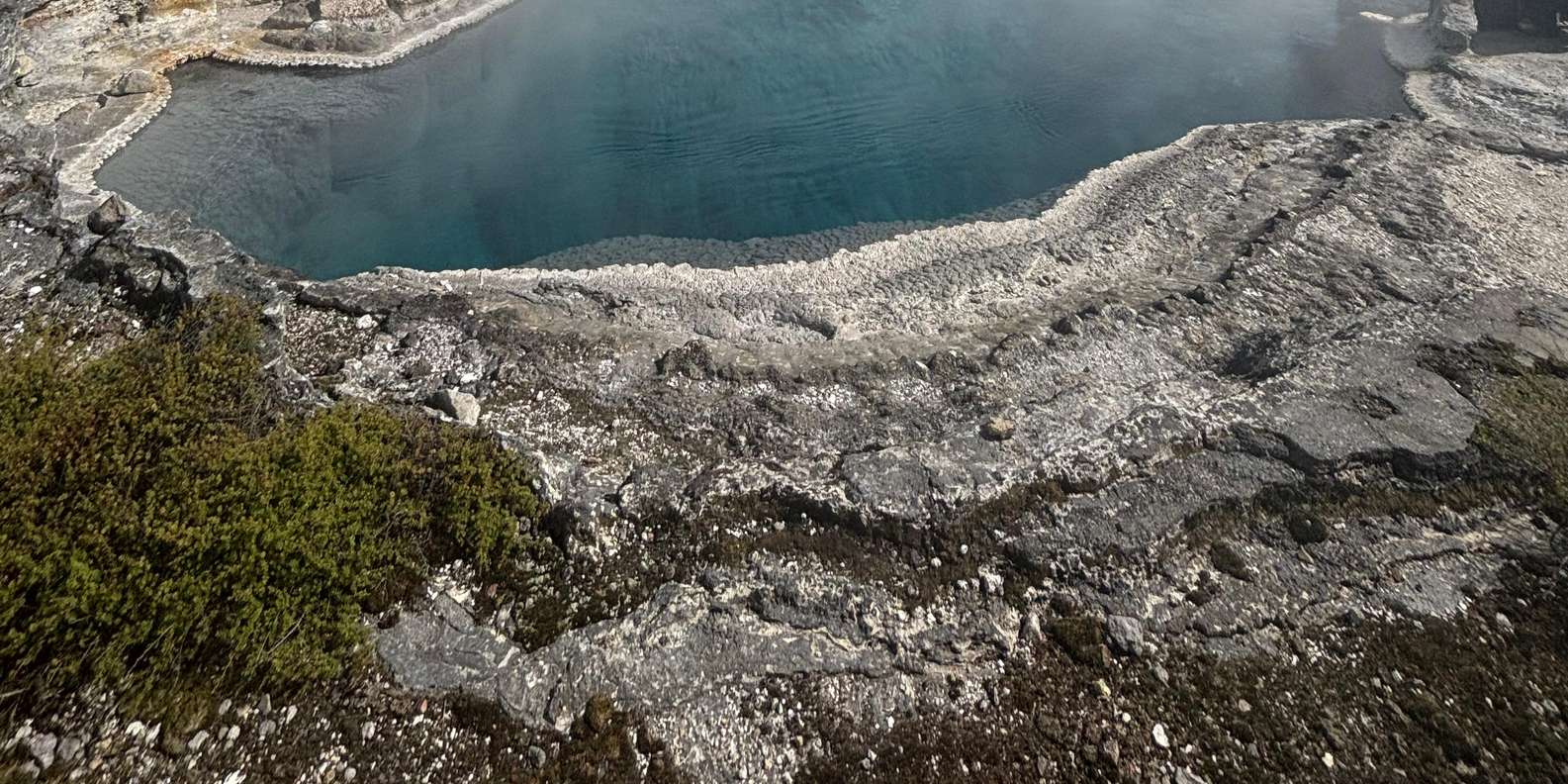
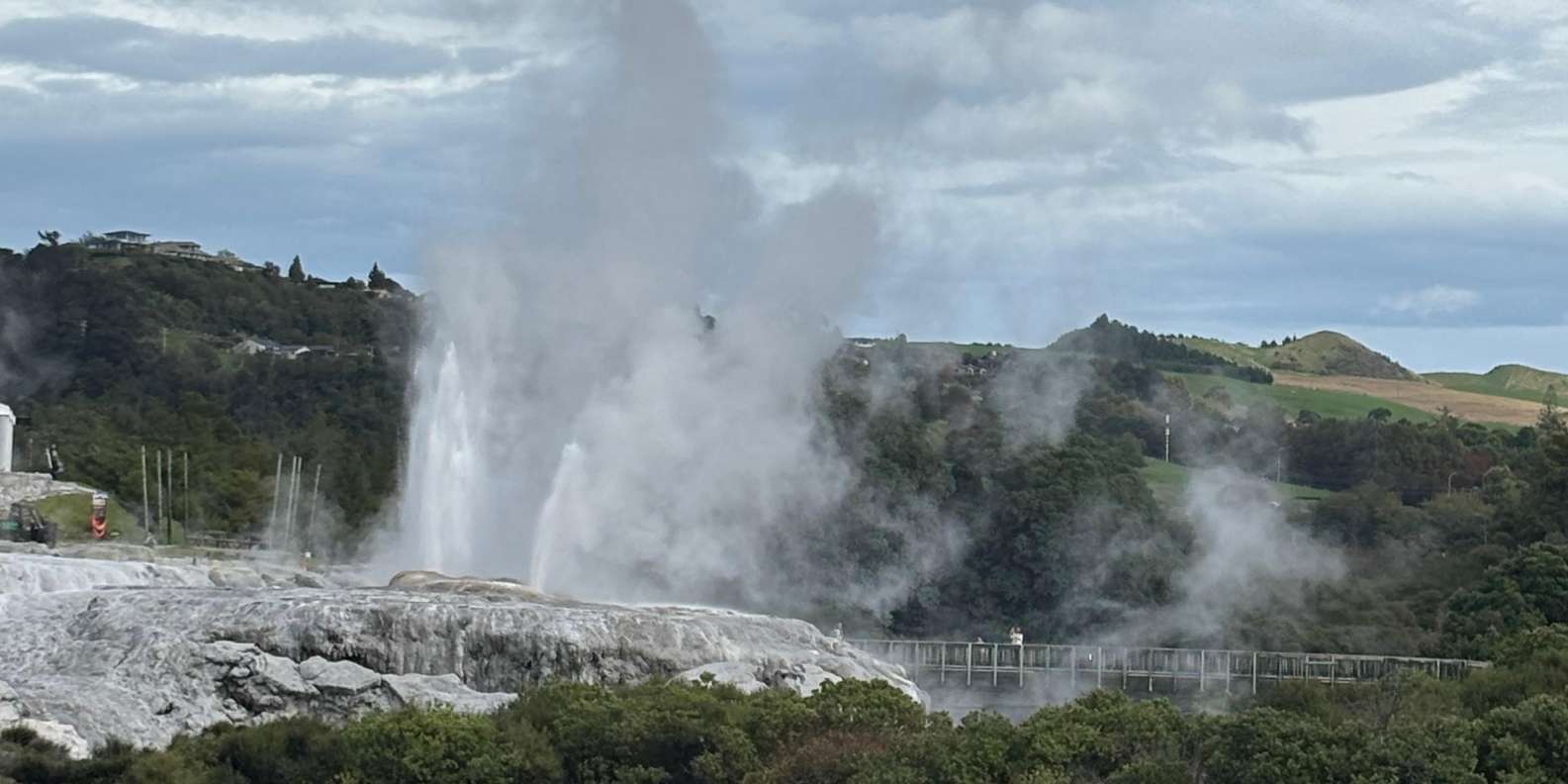
- Marvel at the beauty of the silica formations that nature has created
- Take in the panoramic views of the Geysers at our lookouts
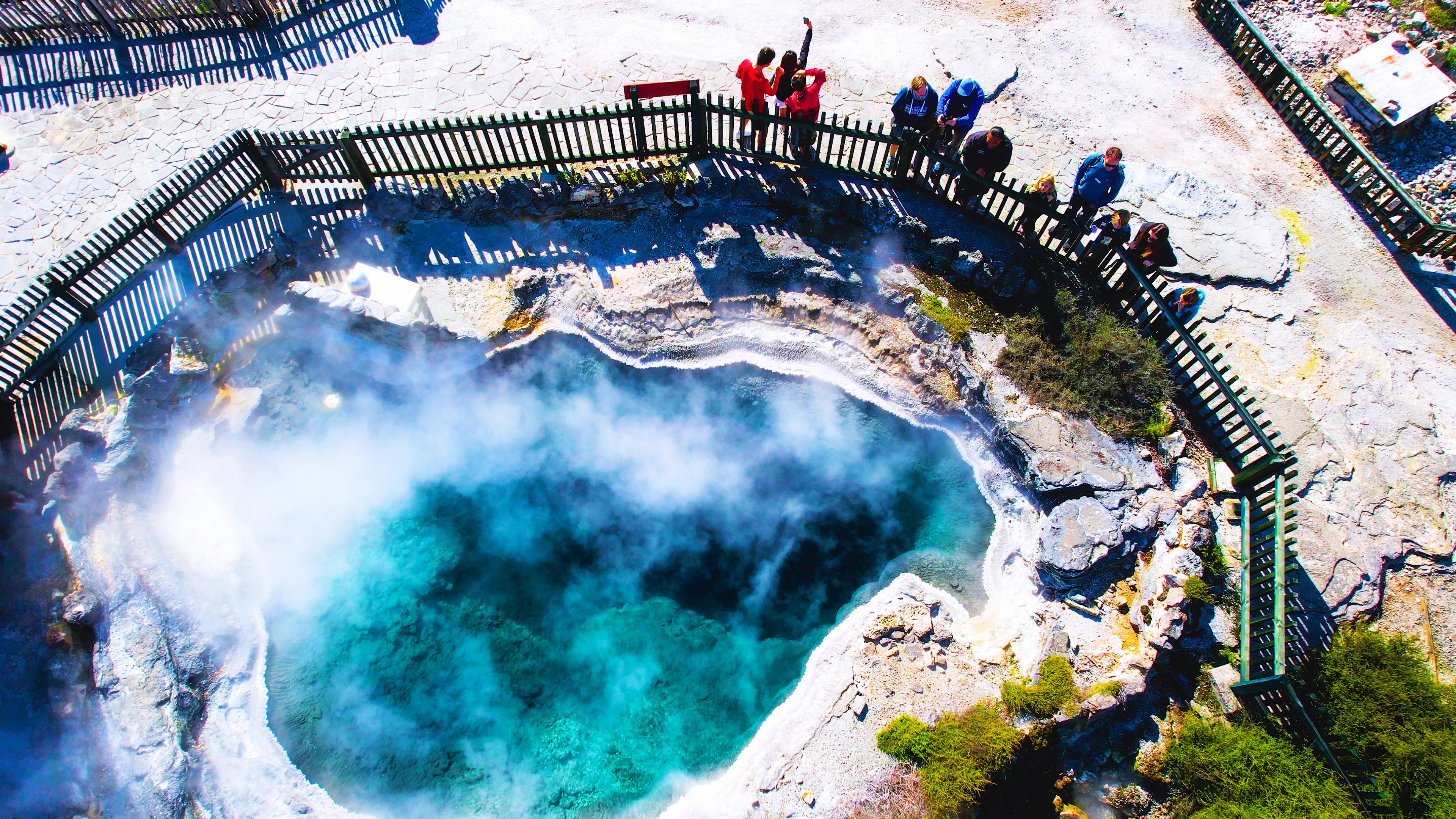
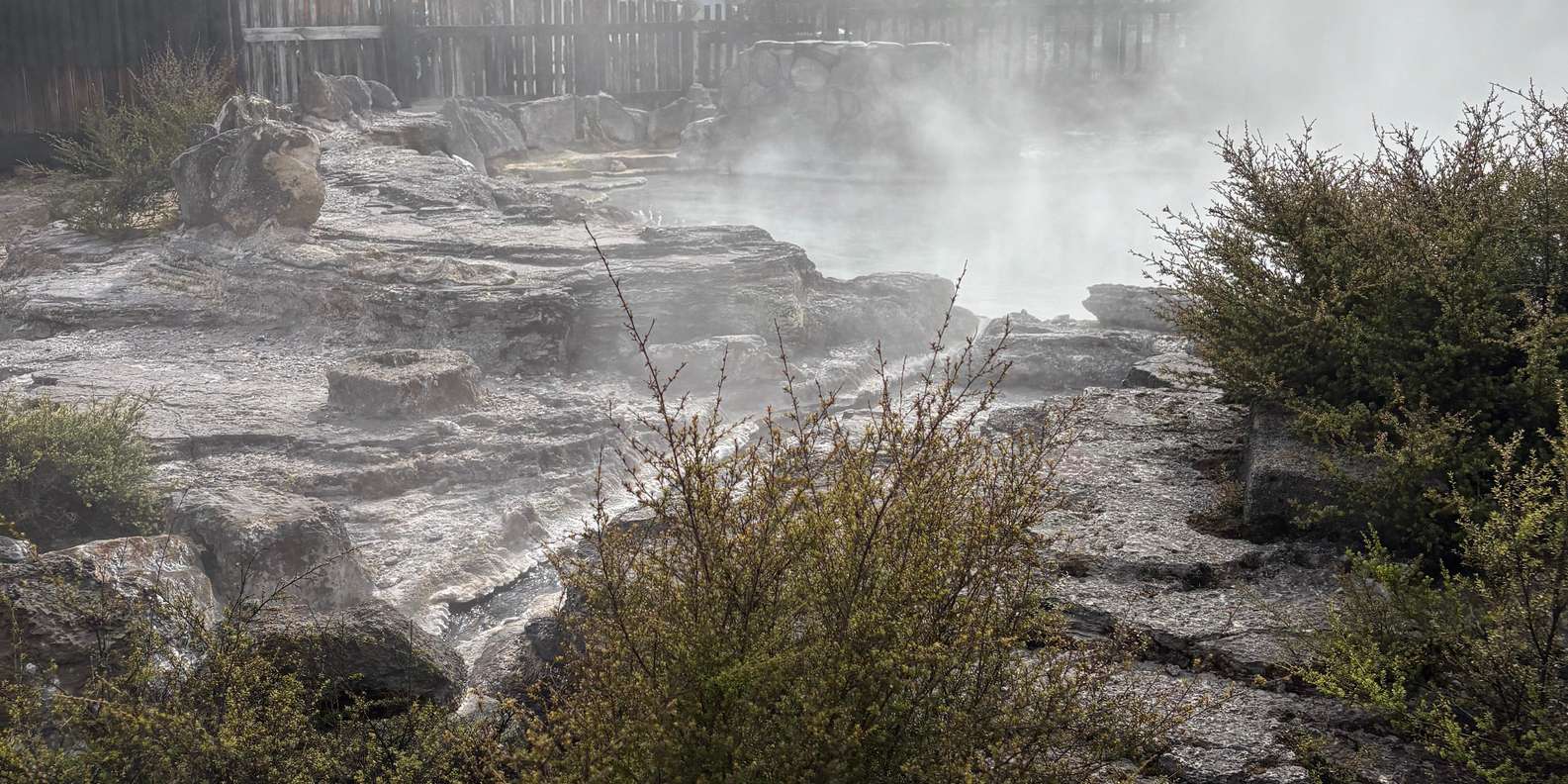
- Explore the boiling hot pools situated within our village
What's Included
- Admission
- Guided tour
- Corn on the cob
How the Visit Runs
A guided walk, at the pace of a place people live.
Meet a Guide Who Lives There
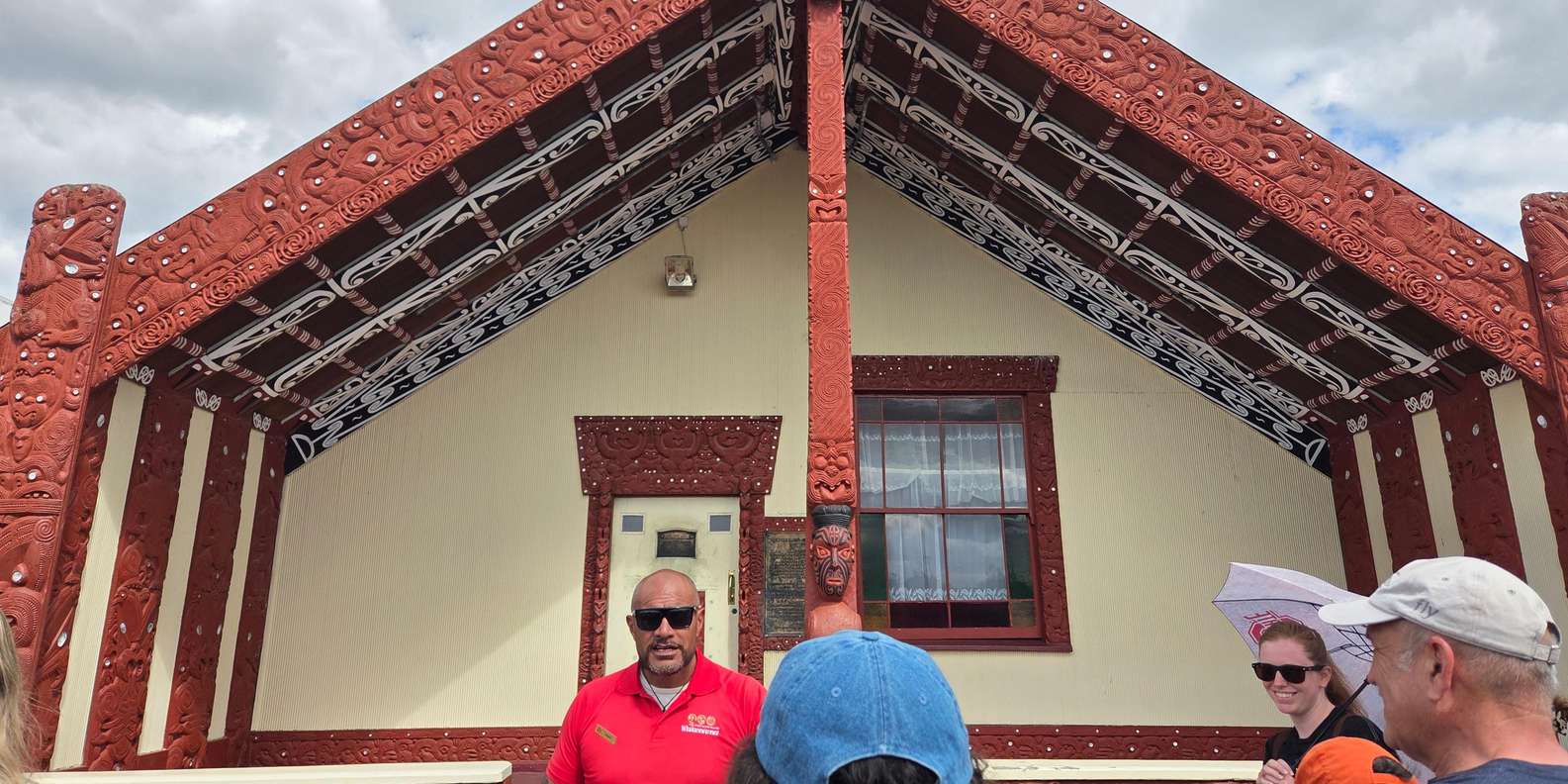
The guides are generally from the village. That changes the register of the whole visit: you are being shown someone's home, and the questions you can ask are different.
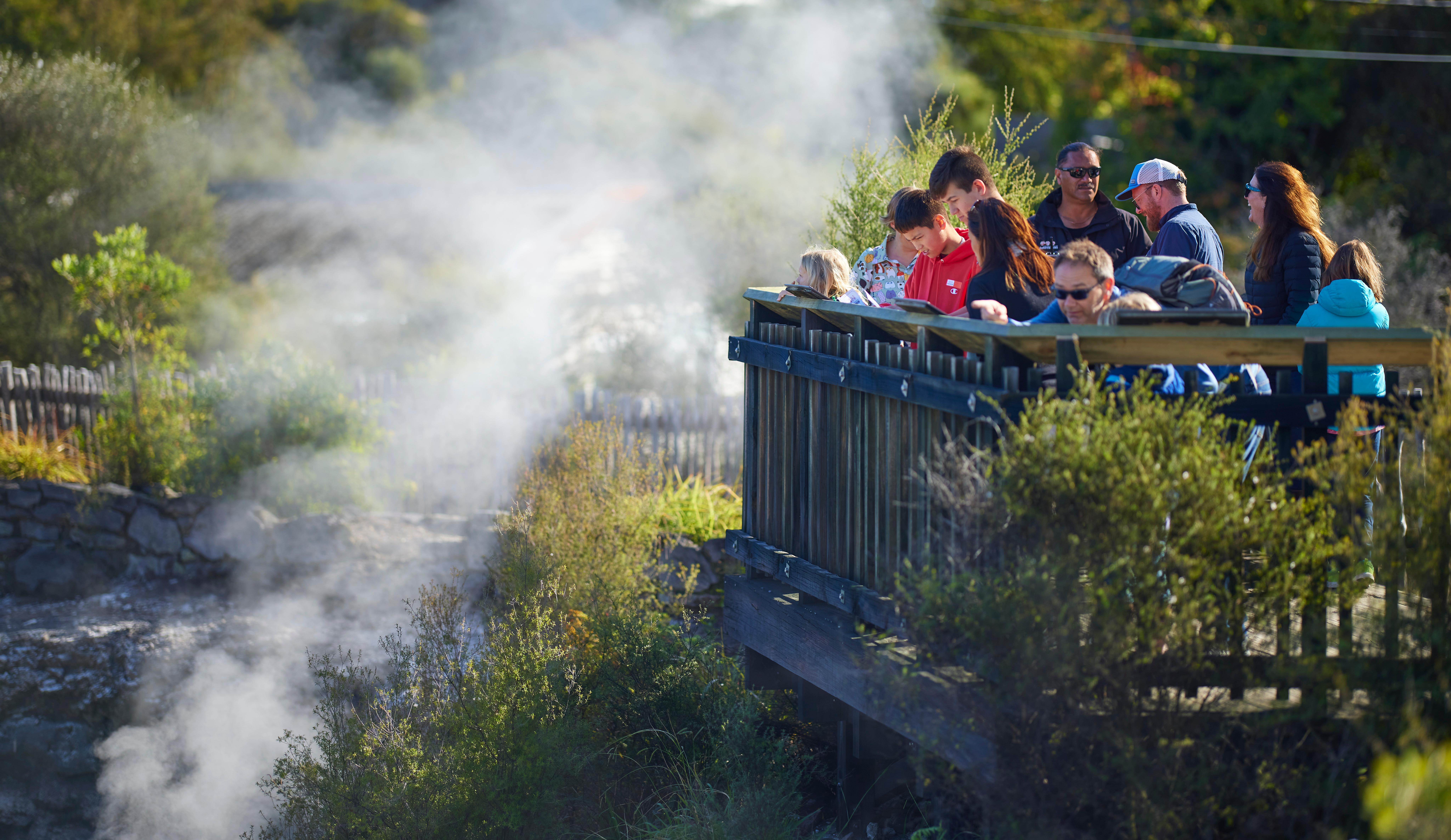
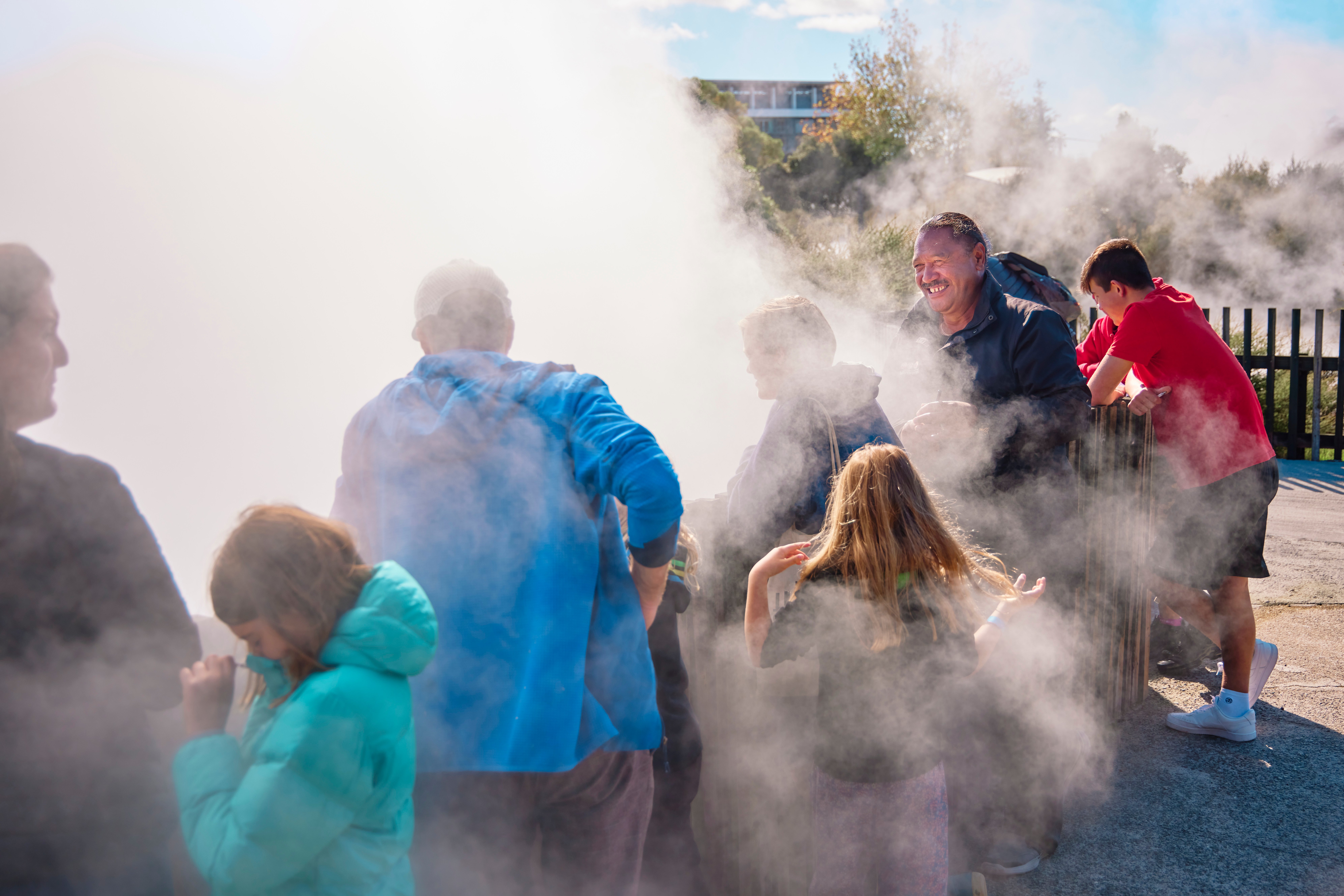
Walk Among the Steam
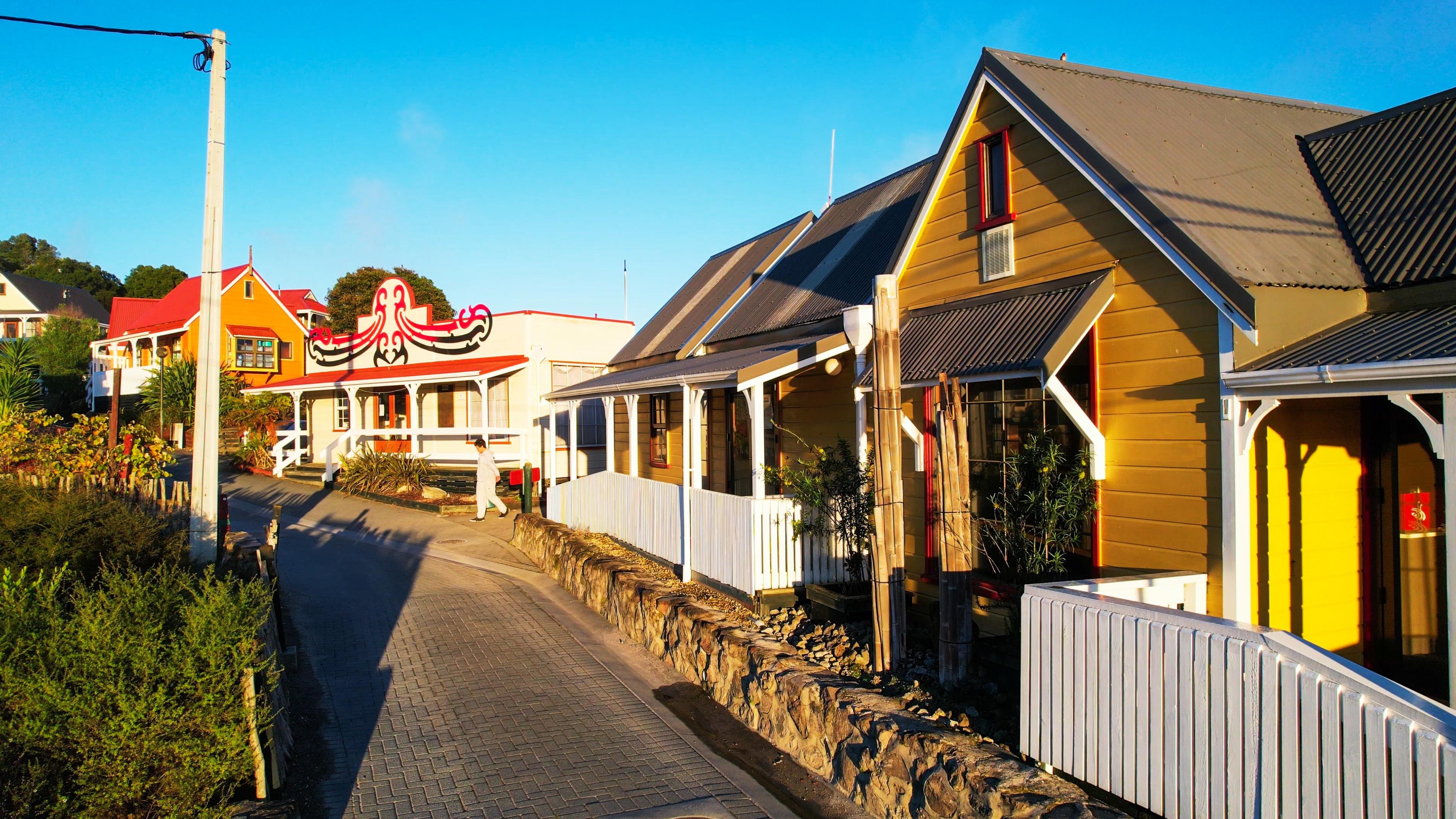
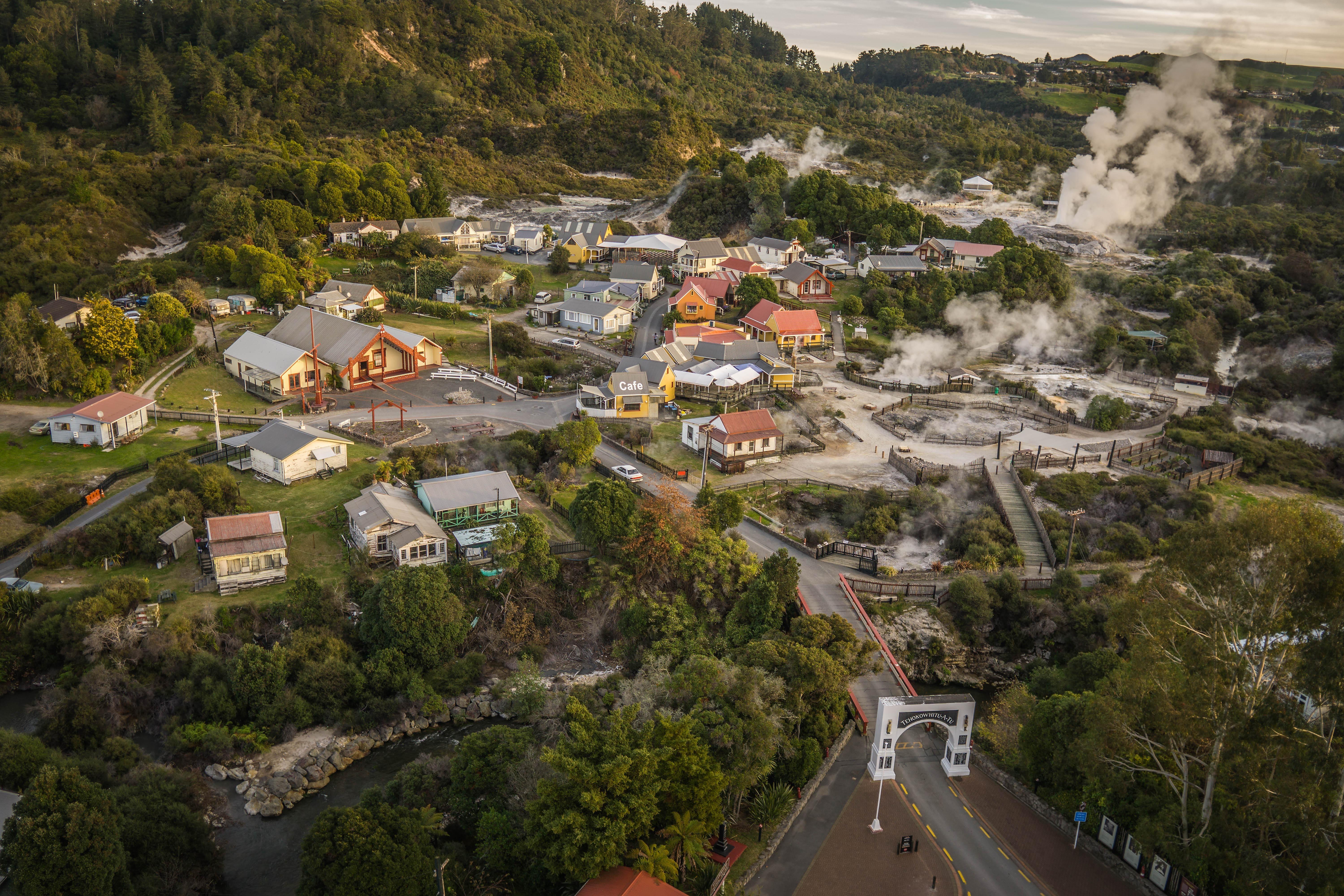
Paths run between houses with steam rising from the ground either side. The geothermal activity is not a feature of the village; the village is built on it and organised around it.
See the Cooking Pools
Hot pools are still used to cook and to bathe. This is ordinary domestic practice rather than a demonstration, which is exactly the point.
A Performance, Then Leave Them To It
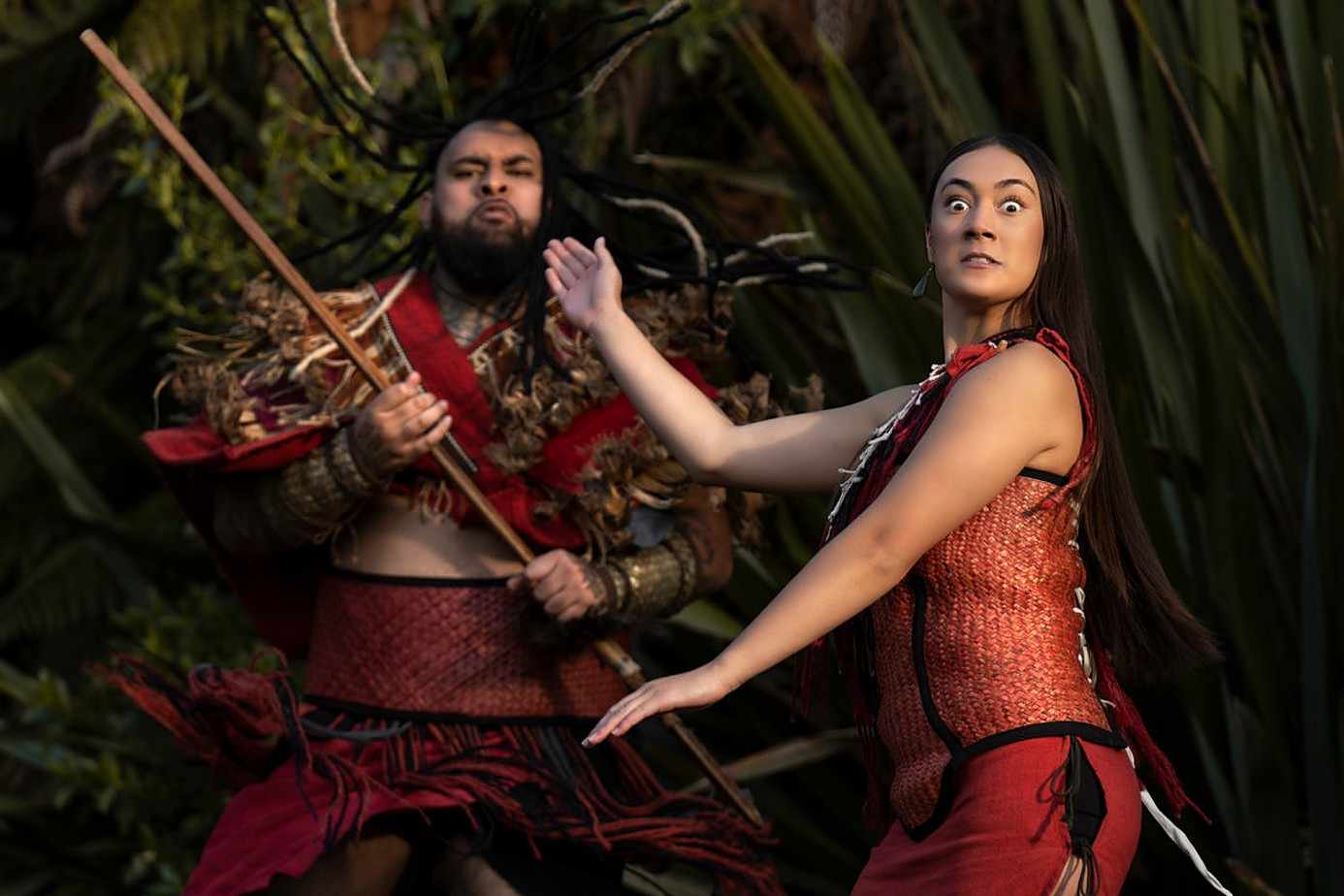
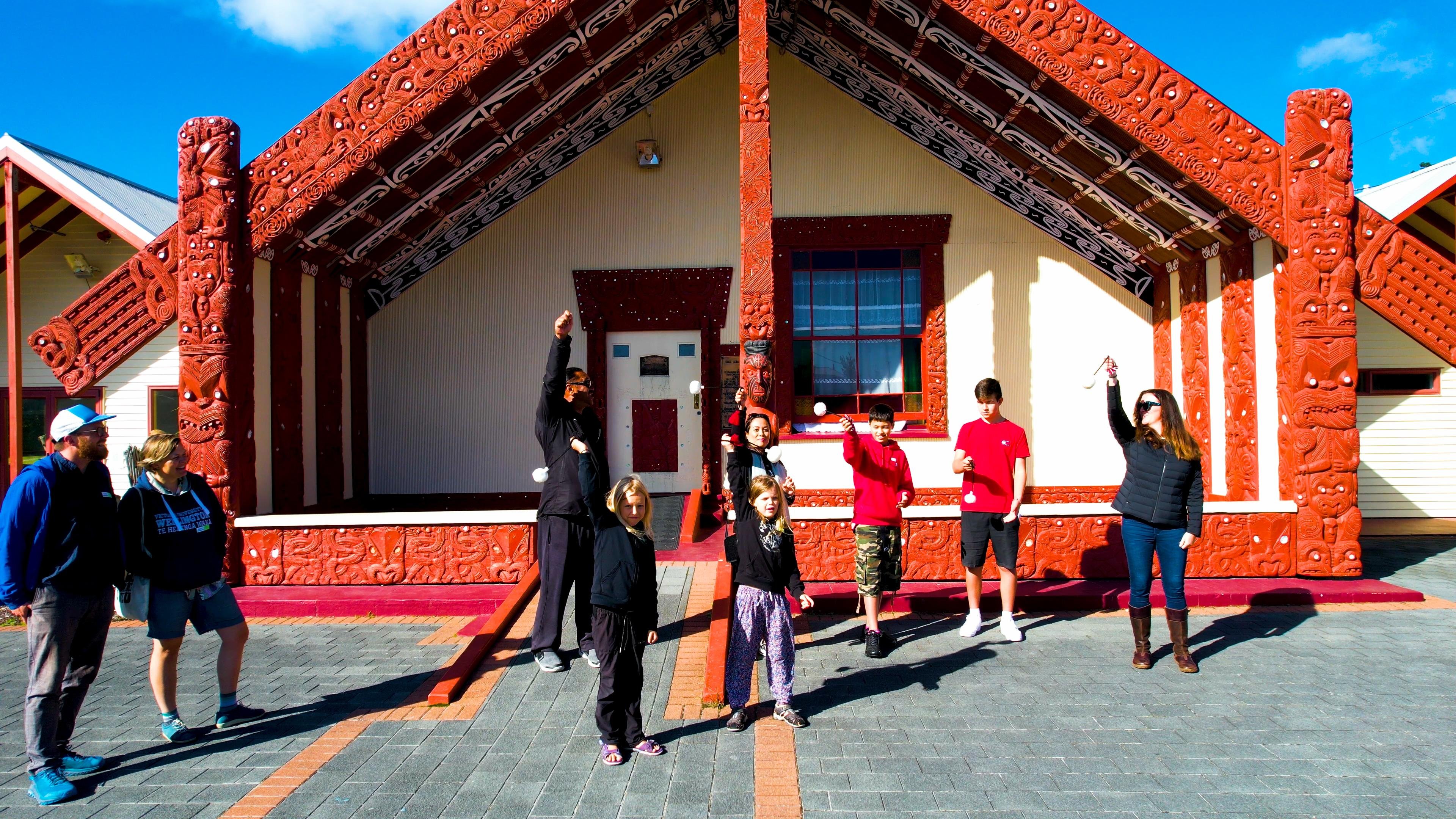
There is a cultural performance, but the visit is the walk. Remember you are in a residential area and behave accordingly.
Photo Gallery
A Working Village
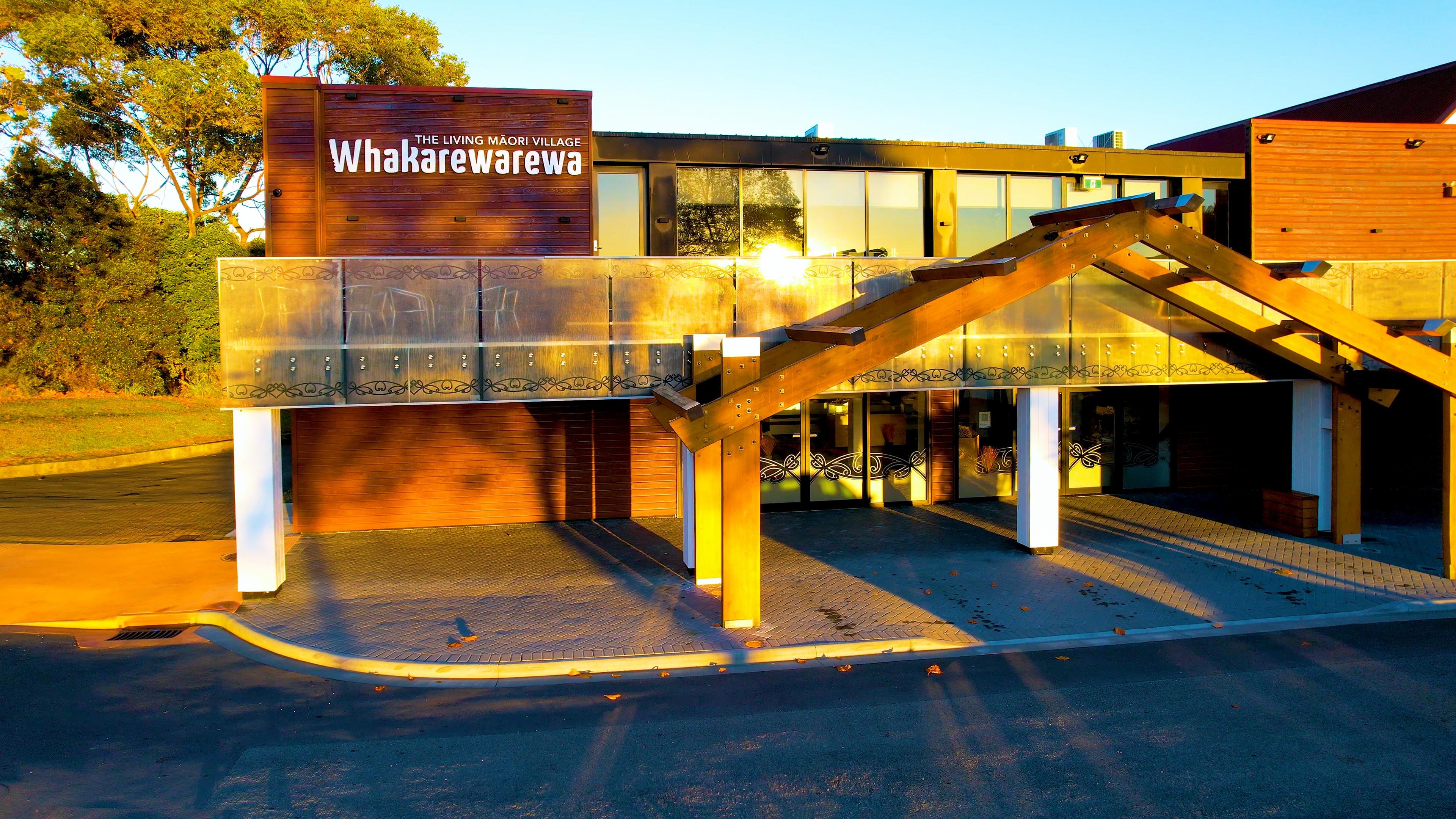
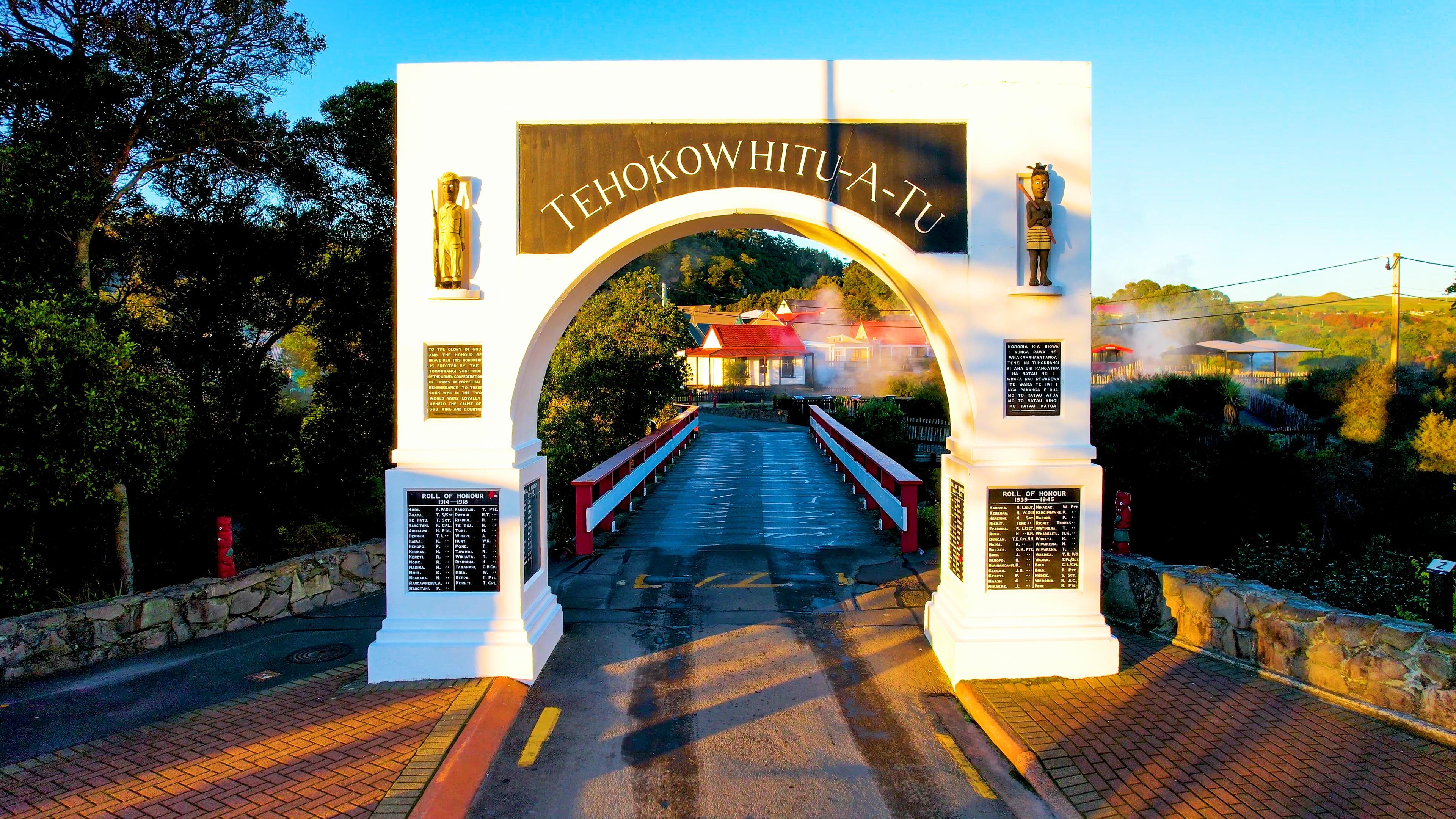
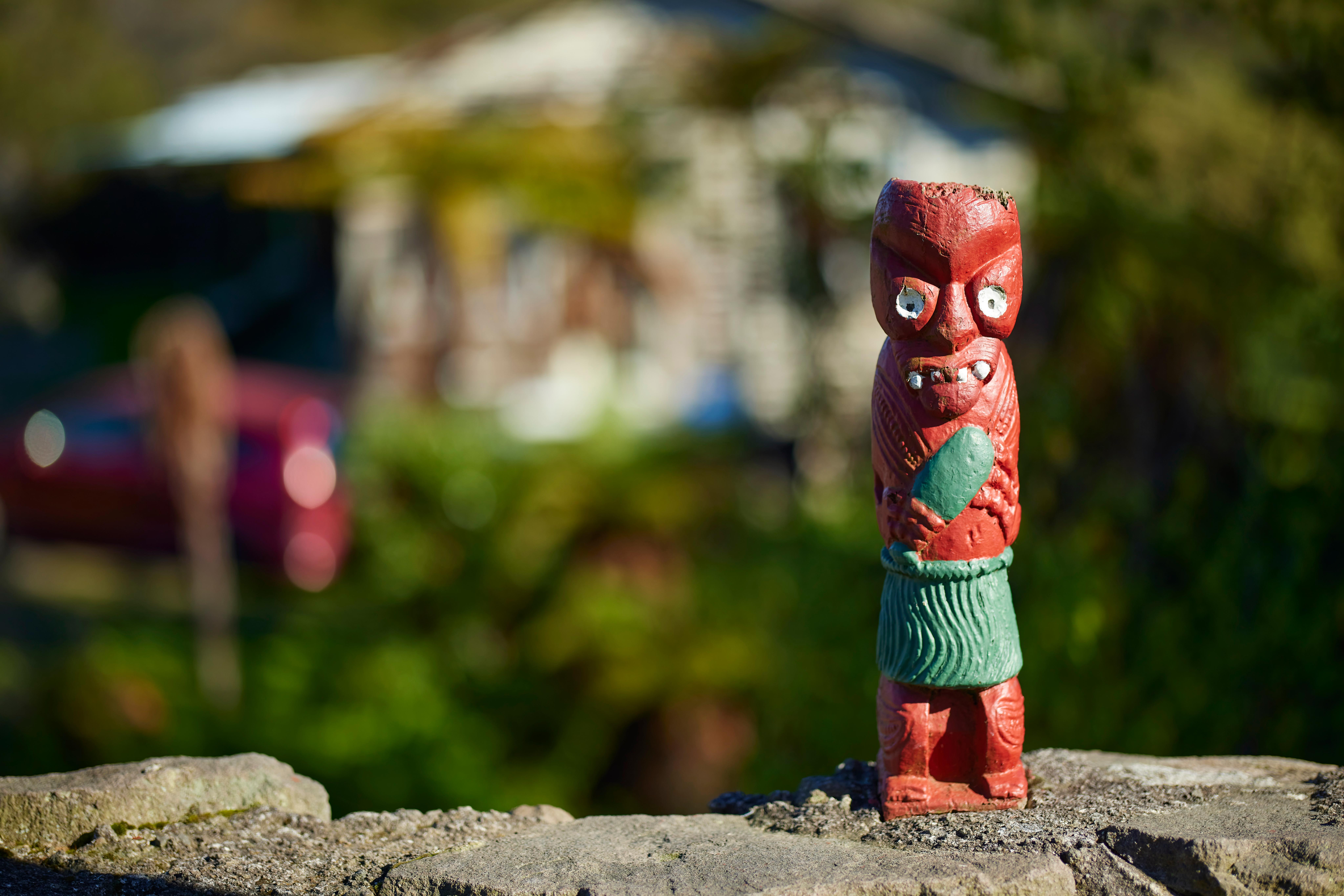
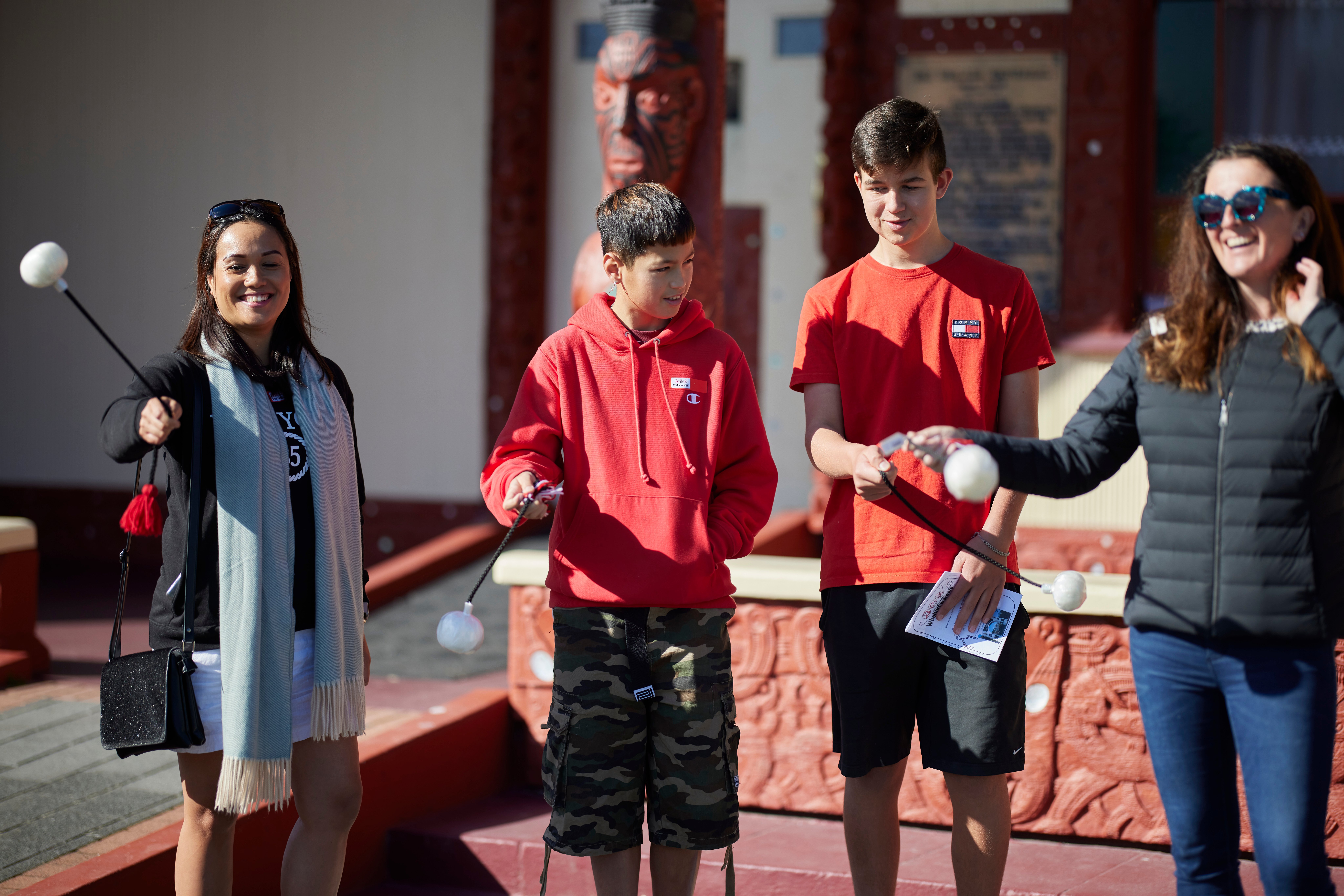
Steam between the houses, the cooking pools, the meeting house.
Book Your Experience
Check Availability & Prices
Select your preferred date and time. Instant confirmation — free cancellation up to 24 hours before departure.
How It Compares
The same three questions, answered for each.
| Feature | Whakarewarewa | Mitai | Te Pā Tū |
|---|---|---|---|
| What You Pay | $29 | $101 | $167 |
| When | Daytime walk | Evening | Evening |
| Dinner | No | Hangi included | Hangi included |
| Depth of Evidence | 382 reviews at 4.7 | 4,119 reviews at 4.7 | 1,429 reviews at 4.8 |
| Check Availability | See This Option | See This Option |
Every Māori Experience Compared
Real prices, ratings and review counts from the booking platform.
The Unstaged One
Why This Is Not the Same Purchase
Different in Kind, Not Degree
The evening villages are experiences staged for visitors by the communities whose culture they present. Whakarewarewa is a place where people live, which you are being shown around.
Both are legitimate. They are not the same purchase, and choosing between them on price alone gets it wrong in both directions.
At $29 this is much the cheapest of the four, and if the word authentic is doing work in your decision, this is where it applies most literally.
What That Means in Practice
- You are in a residential area. Photograph the geothermal features freely; think before photographing homes or people.
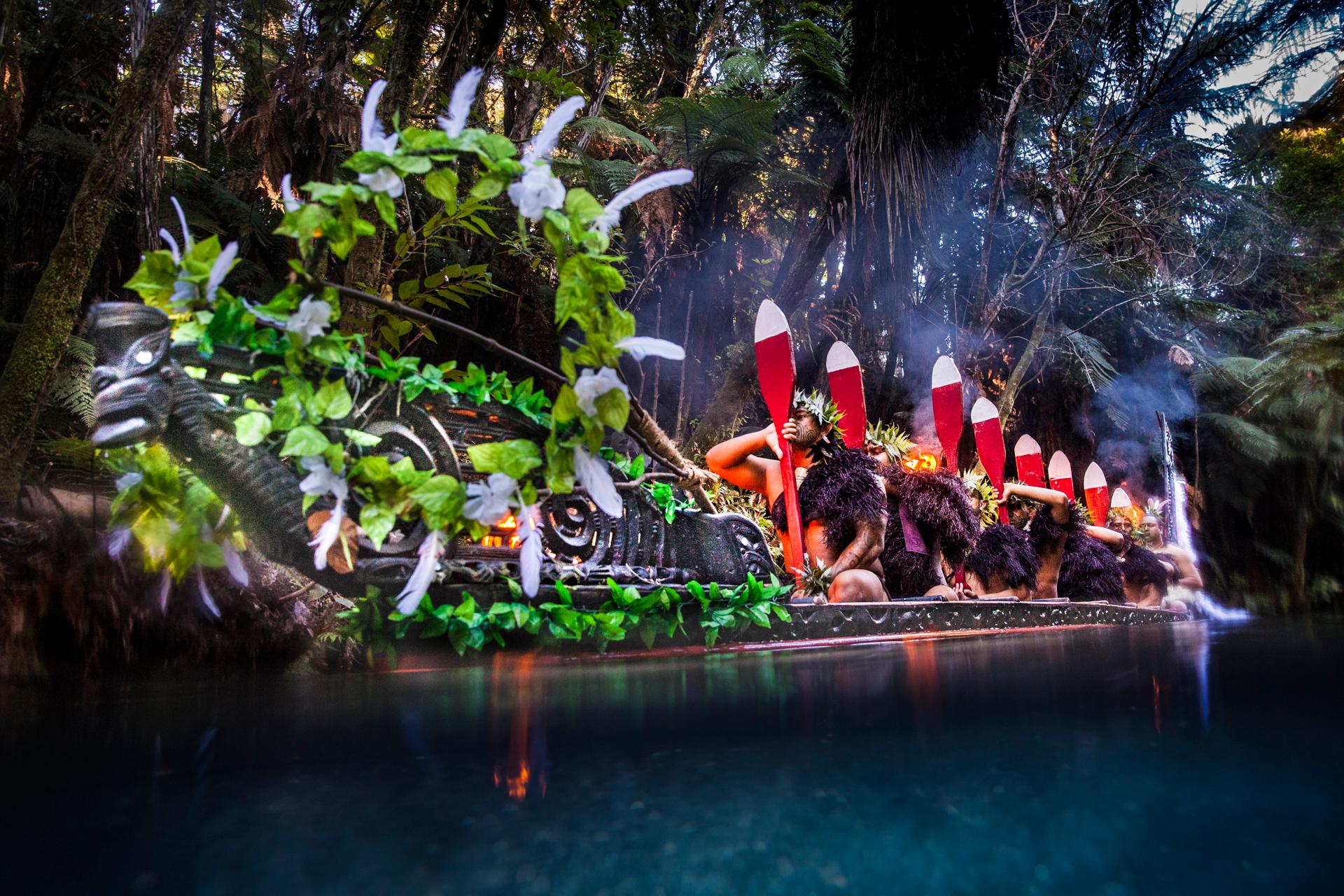
- It is daytime. No hangi dinner, no firelight, no waka arriving in the dark.
- The geothermal activity is domestic infrastructure — cooking pools and bathing pools in daily use, not exhibits.
- The guides live there, so the questions worth asking are different from the ones you would ask a performer.
Do This And an Evening
The strongest Rotorua cultural day is Whakarewarewa by day and a village evening after dark, because they answer different questions. The walk shows you how a geothermal community actually functions; the evening gives you the formal welcome, the performance and the hangi.
Two evening villages is a repeat. This pairing is not. Mitai at $101 is the usual evening half.
Whakarewarewa or Te Puia?
They sit near each other on the same geothermal field and get confused constantly. Te Puia is the institution — the Pōhutu geyser, the national carving and weaving schools. Whakarewarewa is the village. If you want the geyser and the schools, take Te Puia; if you want the settlement, take this.
Guest Reviews
What Guests Say
4.7/5
from 382 verified guests
"Very interesting sightseeing tour. The village is very pretty. They show you how people live in the Maori village, how they cook, and how everything is organized. It's authentic, not a set. Highly recommended."
"Amazing guide great tour enjoyed the sweetcorn. Great to learn on culture."
"We found this tour really interesting and insightful, giving us a little window onto Māori culture. We originally had a tour booked at 2pm but we were accommodated for a morning tour. Both tour guides were engaging, knowledgeable and fun and we would highly recommend."
"Philip was an excellent guide, very knowledgeable and comical, made the tour a fun experience. Would definitely recommend a visitor to experience Whakarewarewa Village."
"Great tour of a Maori village led by a resident, who clearly explained to us the geothermal conditions and how they are used. It’s really wonderful to see how proudly people present their culture."
"We had a great guide in Frazer who shared his knowledge and personal stories from his childhood. Great guide."
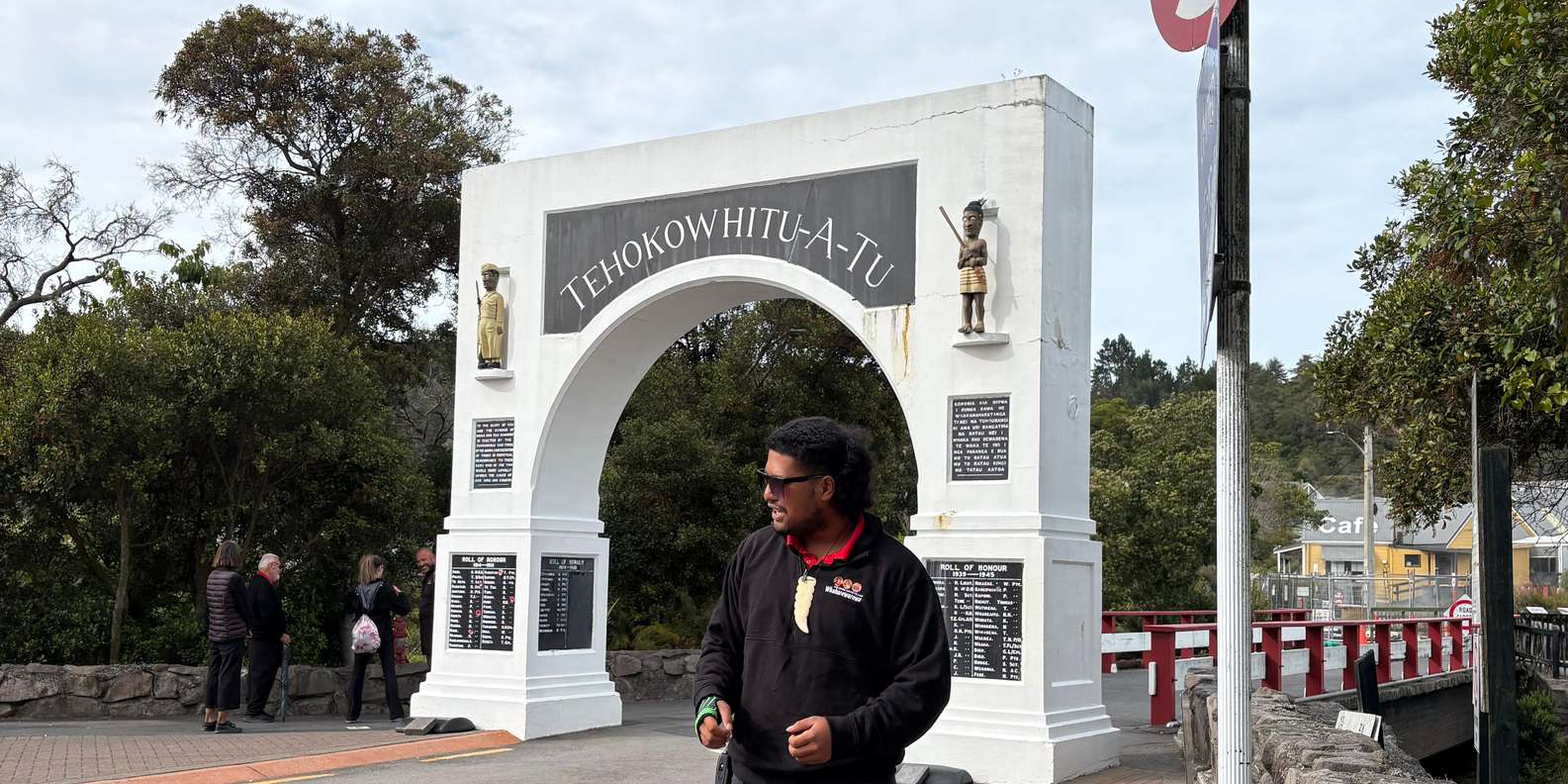
"Great way to learn about the culture and see a real living village. Daniel (the guide) was awesome."
Read all 382 verified reviews
See All ReviewsA Village People Live In
From $29 — a guided walk through a geothermal settlement where the hot pools are still used for cooking and bathing. Starting from $29 per person.
Check AvailabilityQuestions
What to expect, and how it compares.
They are different evenings rather than better and worse versions of one. Whakarewarewa runs $29 with 382 reviews at 4.7. Mitai and Te Pā Tū are the main alternatives, and the honest split is atmosphere, timing and food rather than how much culture you get. The full comparison, which no single village can publish about its rivals, is on which village to choose.
The evening village experiences include a hangi dinner; the daytime village walk does not. A hangi is a meal cooked in an earth oven over hours and at the evening villages the lifting of it is the centrepiece rather than a garnish. Check the individual listing for exactly what is served and whether transport from your accommodation is included, because that varies and it closes much of the apparent price gap.
A pōwhiri is a formal welcome with real protocol, not a warm-up act. Your group will usually be asked to choose a chief, and there are moments to stay silent and moments to move. The hosts explain it clearly beforehand and are gracious about it, but treating the welcome as a performance to talk through is the most common way visitors give offence. Beyond that: dress for the weather, arrive on time, and ask before photographing people.
Still have questions? Email us at info@maoriexperiencenz.com